
Evaluation & Testing Services
Evaluation Services are provided at our Barnstable office. In-home evaluations are available for seniors only.
Neuropsychological Evaluation
Neuropsychological testing helps us understand how an individual thinks, learns, and manages everyday demands by measuring cognitive abilities such as memory, attention, executive functioning, and self-regulation. It examines brain-based skills including working memory, mental flexibility, processing efficiency, and self-control.

Executive functions act as the brain’s management system. They help us plan, organize, begin and complete tasks, regulate behavior, shift between ideas, solve problems, and hold information in mind while we use it.
Understanding these abilities can help clarify why someone may struggle at school, work, or in daily life. Neuropsychological evaluation identifies both strengths and areas of difficulty and helps determine whether patterns are consistent with ADHD, learning disorders, or other cognitive concerns.
Executive functions include: working memory, cognitive flexibility, inhibitory control, planning, organization, problem-solving, and self-monitoring.
EF Problem Solving: Figuring out what to do when faced with a new challenge, identifying obstacles, and developing effective solutions.
EF Working Memory: Holding information in mind long enough to use it, such as remembering directions while completing a task.
EF Cognitive Flexibility: Shifting between ideas, strategies, expectations, or tasks when circumstances change.
EF Inhibitory Control: Pausing before acting and resisting automatic or impulsive responses.
EF Planning & Organization: Identifying steps, sequencing tasks, managing materials, and working toward a goal.
EF Self-Monitoring: Noticing how you are doing and making adjustments when something is not working.
Nesplora for Executive Functioning Testing
New
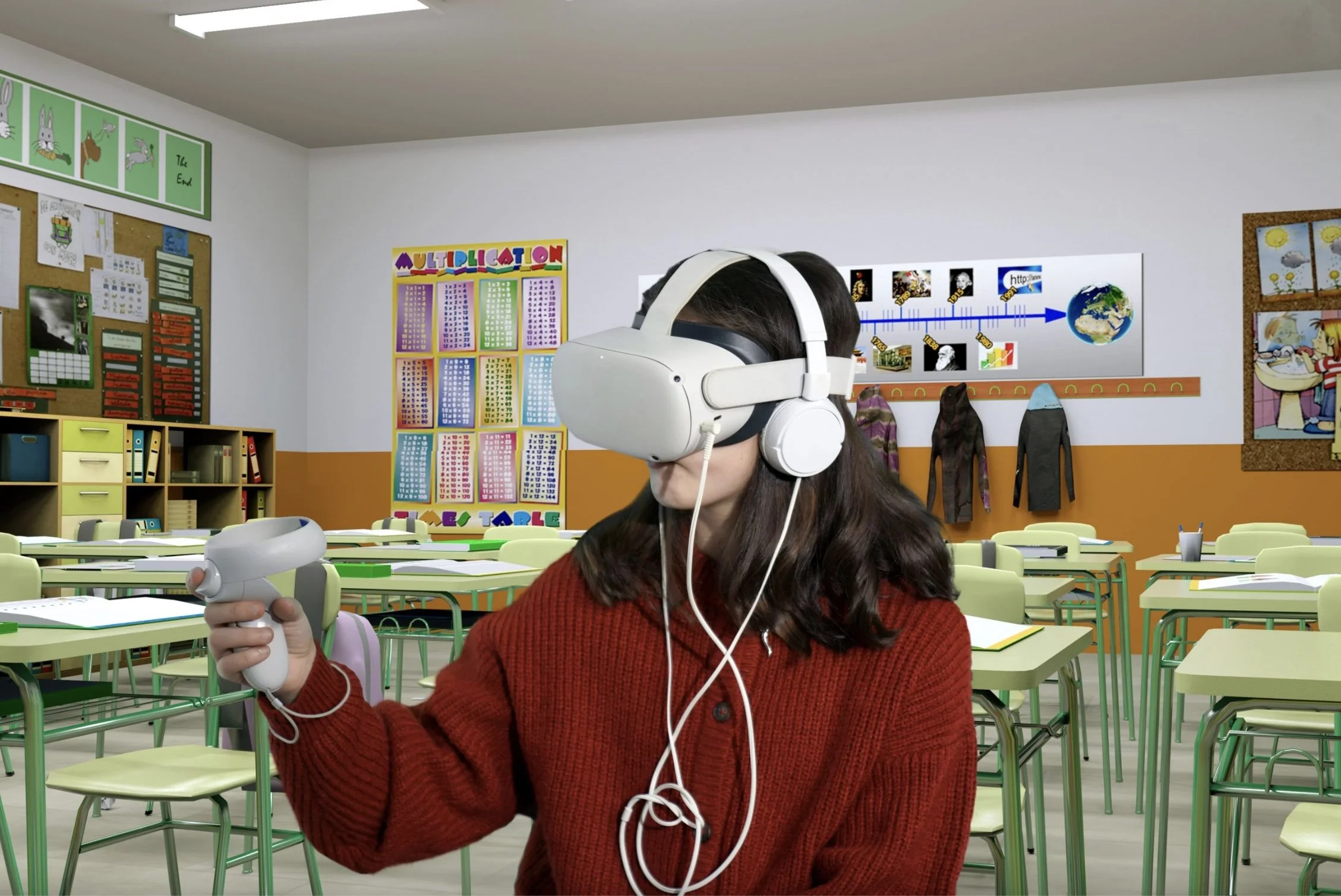
Photos courtesy of Nesplora
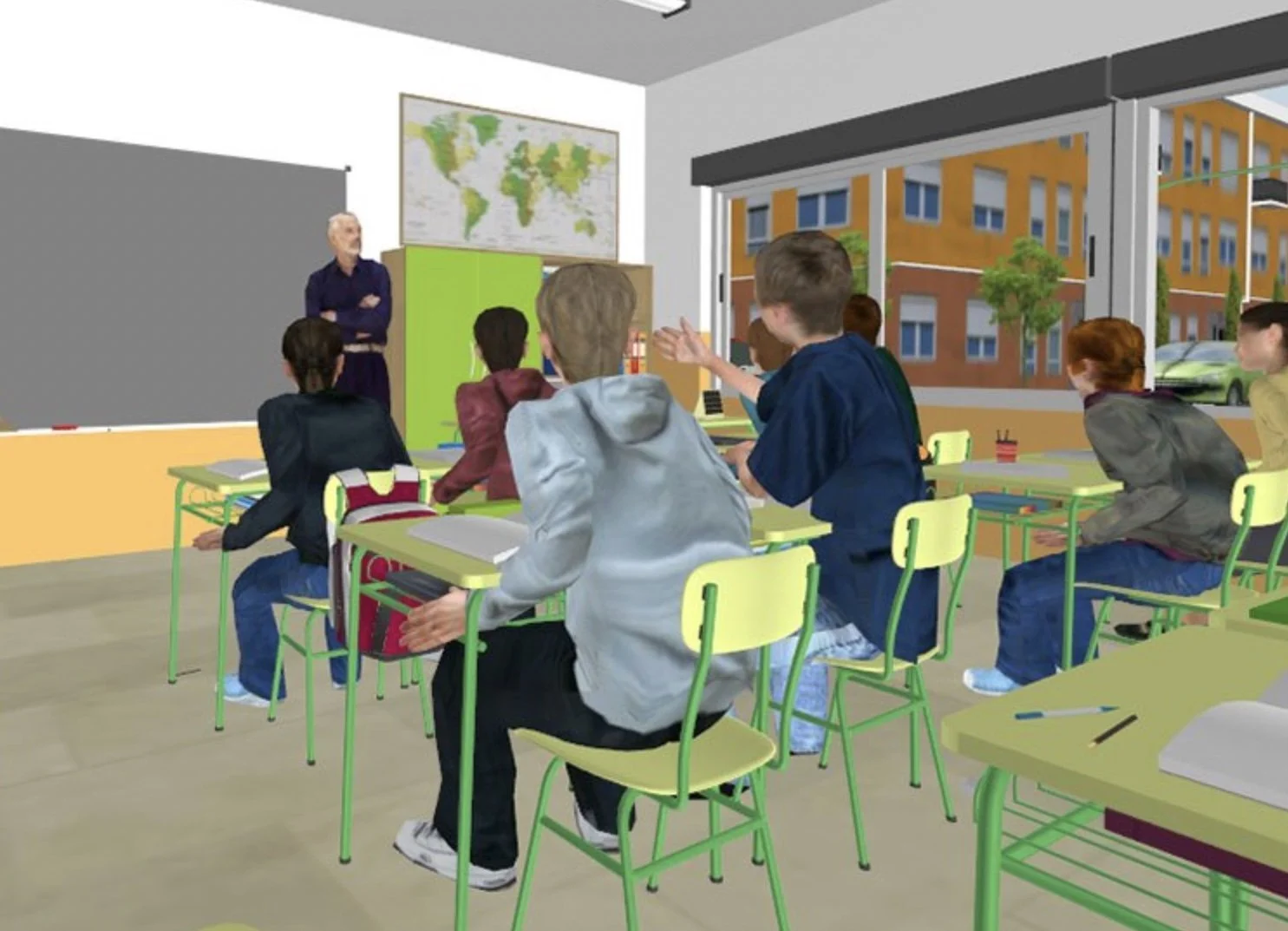
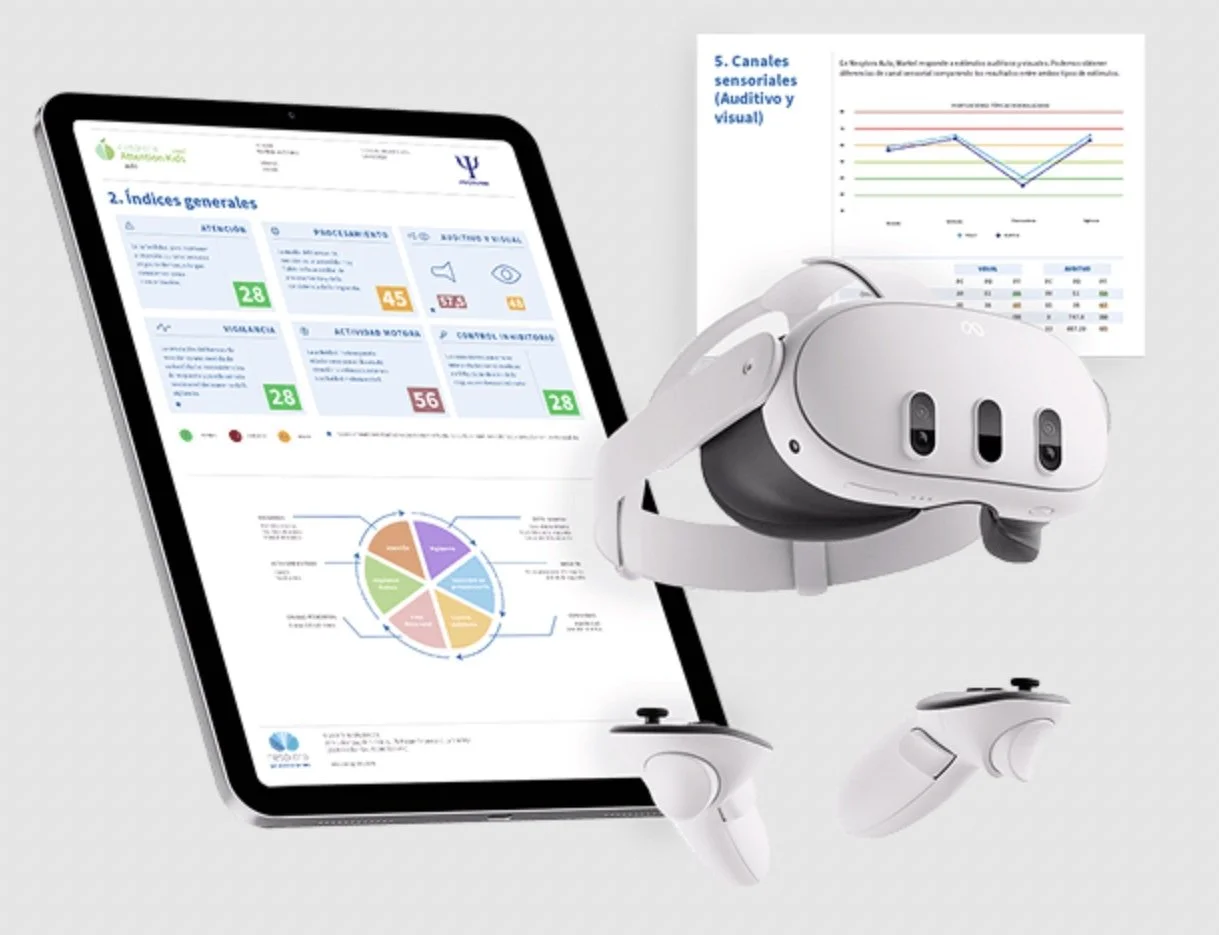
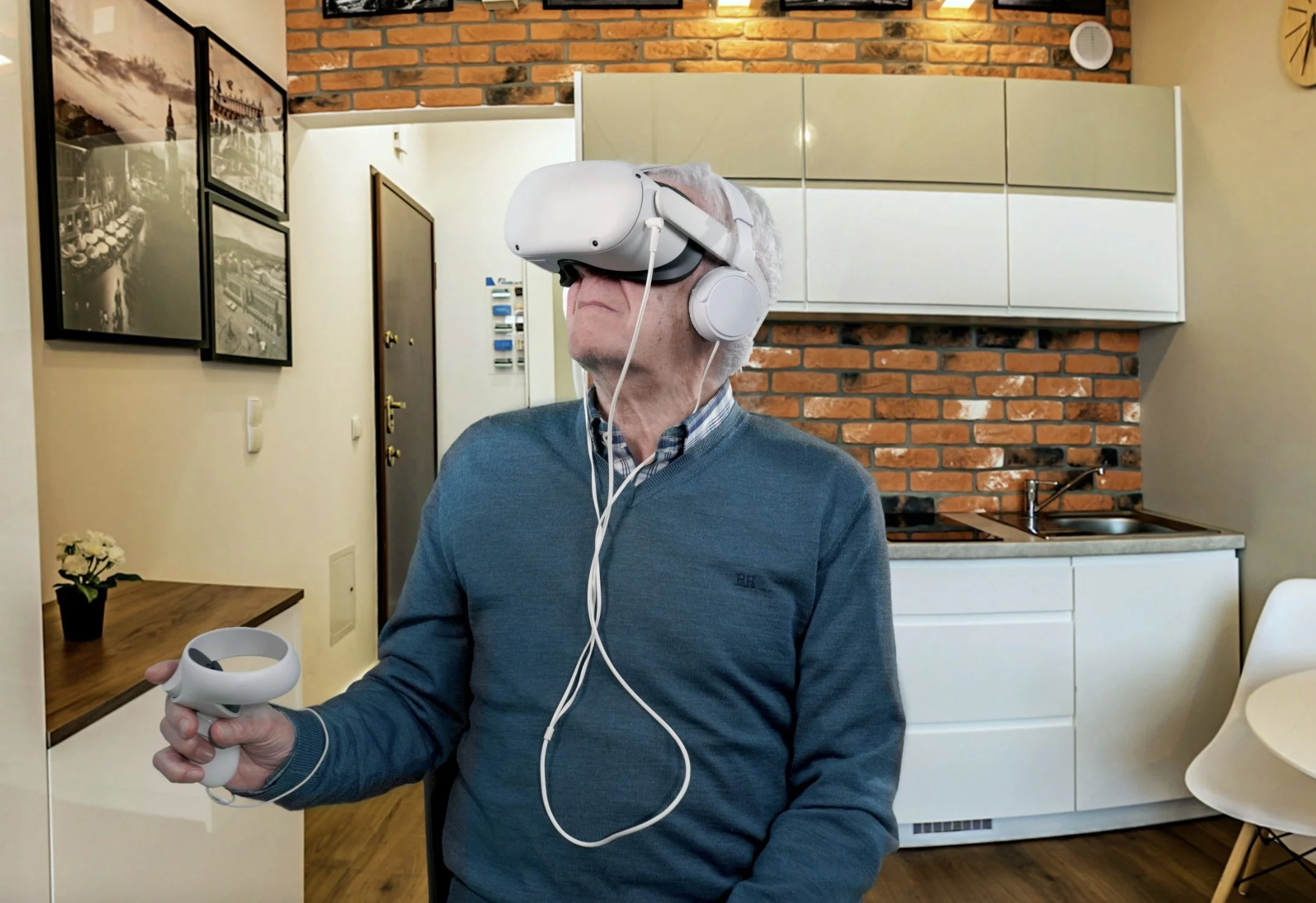
As one of only four clinical practices in Massachusetts that currently utilizes it, Nesplora creates a virtual environment to engage with, shown through a headset with motor sensors and headphones. Patients complete interactive tasks embedded in everyday settings (such as a virtual school classroom or an aquarium) that simulate real-world distractions while wearing the virtual reality (VR) headset. Designed in Spain, Nesplora is designed to assess attentional processes and help in the diagnosis of cognitive disorders—it can help assess elective and sustained attention, auditory and visual attention, memory, motor activity, impulsivity, quality of attentional focus, and reaction time.
As an example, in Nesplora Aula the setting is similar to a school as it places the student at one of the desks, giving the sensation of actually being in the classroom. On the virtual blackboard and using the headphones, a series of stimuli (visual and auditory) are presented. The student should then respond to these, following the instructions throughout two continuous tasks. The Inhibition task asks the student to press the button for all the heard or seen stimuli except for the target stimulus (specific stimulus mentioned in the instructions). In addition, a variety of distractors will occur throughout the test, so the comparative performance across task types, sensory channels (auditory or visual) and how distractors affect performance can be analyzed.
Autism Spectrum Disorder (ASD) Testing

Our Assessments for autism spectrum disorder (ASD) are designed to capture the full range of behaviors, from social interaction and communication to everyday functioning. We use standardized tools such as the Autism Diagnostic Observation Schedule (ADOS), Autism Diagnostic Interview (ADI), Childhood Autism Rating Scale (CARS), Gilliam Autism Rating Scale (GARS), and Gilliam Asperger’s Disorder Scale (GADS). In addition, we assess activities of daily living (ADLs) and social skills to gain a thorough understanding of each individual’s strengths and areas of need. We regularly coordinate care, consultation, and evaluation findings with providers affiliated with major regional medical centers, including Boston Children’s Hospital, Massachusetts General Hospital/Mass General Brigham, Tufts Medicine, and other specialty healthcare systems.
Transition Planning Evaluations:
We also offer specialized transition evaluations, which may include vocational and interest assessments, social and emotional evaluations, and sometimes the use of projective measures. By integrating these findings, we develop a comprehensive plan that supports individuals in navigating key life changes whether pursuing further education, entering the workforce, or achieving greater independence.

Psychological Testing
Psychological testing can be particularly useful for individuals who feel “stuck” or want a clearer understanding of factors that may be affecting their daily lives. Tools such as the NEO Five-Factor Inventory-3™ which evaluates personality dimensions: Agreeableness, Conscientiousness, Neuroticism, Extraversion, and Openness to Experience, and the Minnesota Multiphasic Personality Inventory-3 (MMPI-3) which addresses cognitive, personality, and emotional functioning, can provide invaluable insights. Additionally, projective measures, like the Rorschach Inkblot Test or the Thematic Apperception Test (TAT), may be used to explore deeper layers of personality, emotional processing, and interpersonal dynamics. These assessments help clarify diagnoses, highlight personal strengths, and guide targeted treatment planning, ensuring a more personalized and effective path toward well-being.
Memory & Dementia Evaluations
We provide comprehensive neuropsychological evaluations for adults experiencing changes in memory, attention, language, reasoning, judgment, or everyday functioning. Evaluation can help distinguish normal aging from mild cognitive impairment, Alzheimer’s disease, vascular cognitive changes, Parkinson’s-related cognitive changes, and other neurocognitive conditions.
What We Look At
Memory is not one single ability. A person may have difficulty learning new information, retrieving information they already know, keeping information in mind, or remembering something they need to do later.
Episodic memory — learning and remembering recent information and experiences
Working memory — holding information in mind while using it
Semantic memory — word knowledge, facts, naming, and familiar information
Prospective memory — remembering future tasks, appointments, medications, or plans
Neuropsychological testing also examines attention, executive functioning, language, visual-spatial skills, processing speed, and problem solving.
Understanding the Whole Person
Cognitive changes do not occur in isolation. Medical history, medications, sleep, pain, anxiety, depression, grief, and changes in independence can all affect how someone thinks and remembers.
Our evaluations integrate cognitive testing with medical and neurological history, family or caregiver input, emotional functioning, and daily independence. The goal is to clarify what may be changing, how it affects everyday life, and what treatment, monitoring, or support may be helpful.
Addressing these emotional and psychological aspects alongside cognitive challenges is vital for improving the well-being of those with dementia. https://www.alz.org/alzheimers-dementia/what-is-alzheimers#basics

William Utermohlen’s Self Portraits Drawn After His Diagnosis of Alzheimer’s Disease in 1995